
When consulting about Sofwave, there is a question that comes up surprisingly often.
“Do I only need to get Sofwave once?”
When you look into lifting procedures, some places say you need multiple sessions while others say a single time is enough, so it is bound to be confusing.
Especially since Sofwave is a procedure where changes aren't completed immediately after treatment, but rather the skin condition changes over time, the process of seeing how the skin reacts after a single treatment rather than deciding beforehand how many times you need to receive itThis is important. Actual clinical reports related to Sofwave also evaluate changes at time points such as 1 and 3 months after the procedure.
Then how many Softwave treatments should I get?
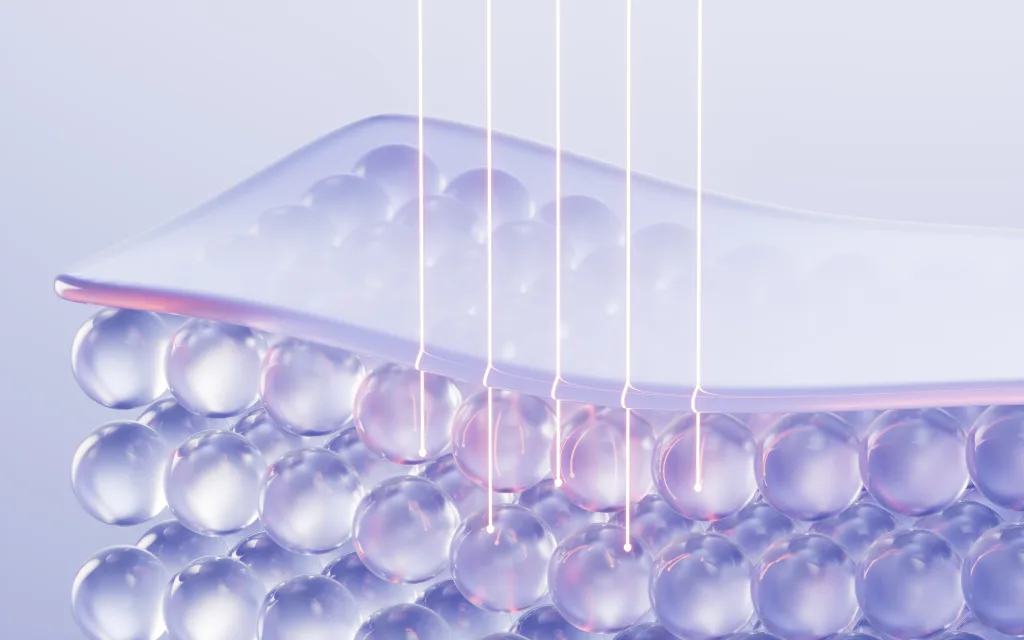
How many times is Sofwave typically performed?
Sofwave is not a procedure that is premised solely on repeating multiple sessions at short intervals from the beginning, unlike some other lifting procedures.
Even on the recent Sofwave professional information page An approach where, rather than prepaying for and repeating a fixed course of treatments, the skin's response is re-evaluated several months after a single treatment to decide whether to undergo additional procedures.is explaining.
The actual number of treatments may vary depending on the degree of skin sagging, the state of elasticity loss, the treatment area, and the desired degree of change.
So even during the consultation, simply
“How many times do I need to get it?”
rather than asking
“Given my skin, how much of a result can I expect after one session, and when should I decide if additional treatments are needed?”
It is more accurate to ask that way.

Are there cases where just one session of Sofwave is enough?
Yes, there is.
Skin sagging is not severe, and The main concern is changes in skin elasticity itself, such as initial loss of firmness or fine lines.If so, it may be sufficient to observe the changes after a single procedure.
Sofwave is a device that delivers ultrasound energy to a specific depth in the dermis to induce skin remodeling. Therefore, rather than judging the results solely by how tightly the skin is pulled immediately after the procedure, it is important to observe how the skin condition changes over time.
In fact, clinical studies on Sofwave also evaluate skin changes at 1 and 3 months post-procedure. In other words, Giving it time to see sufficient changes rather than deciding on an additional procedure right after the first oneThis is reasonable.
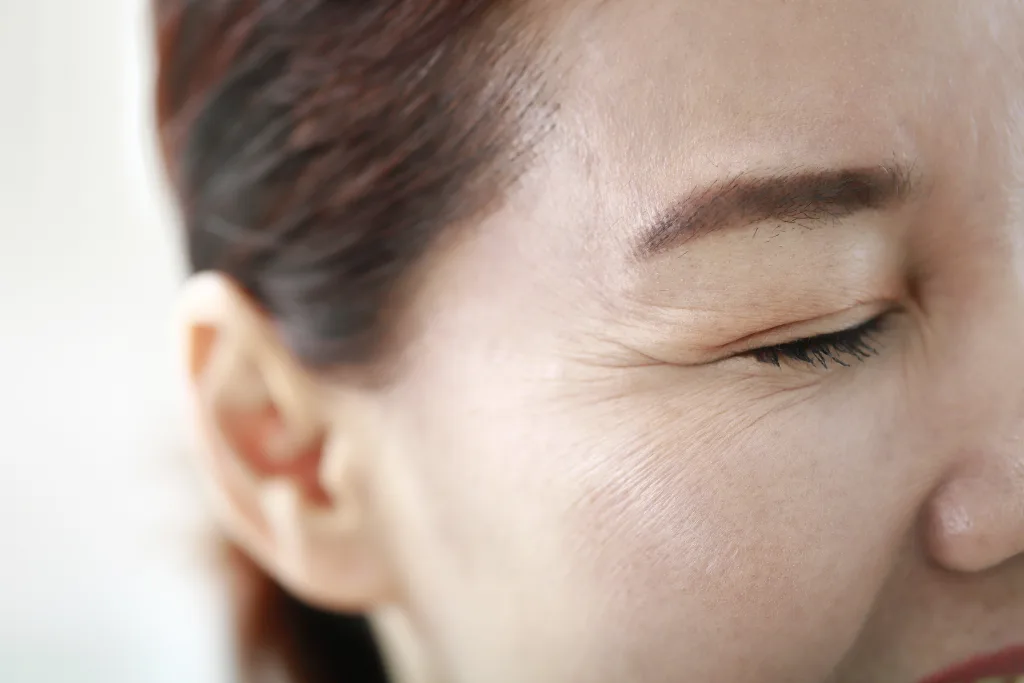
Conversely, cases where a single time might leave you wanting more
Even with the same Sofwave, the changes you experience can vary depending on your skin condition.
For example, if there is a loss of skin elasticity but relatively significant sagging, or if the desired change is pronounced, a single treatment may not provide sufficient satisfaction.
What is important at this time is Unconditionally increasing the frequencyIt is not.
We must first examine whether facial sagging is caused solely by a decrease in skin elasticity, or if changes in subcutaneous fat or deep tissues are also involved.
Sofwave is a device that delivers energy primarily to the dermal layer, so if severe structural sagging or changes in facial volume are the main issues, it may be more appropriate to consider other treatments together. Non-invasive ultrasound lifting is described as being utilized for mild to moderate skin laxity, and it is not a procedure that replaces surgical corrections such as a facelift.

What is the recommended time interval between multiple Sofwave treatments?
This question is also very important.
Sofwave does not show all skin changes immediately after the procedure; rather, the skin remodeling process takes place over the following weeks to months. Clinical studies also evaluate its effectiveness at set intervals, such as 1 month and 3 months.
So rather than repeating it at too short of an interval an approach that determines whether to perform additional procedures after thoroughly observing the progress following a single procedureThis is reasonable.
In fact, some medical institutions guide patients to maintain Sofwave at intervals of about 6 to 12 months after a single treatment, but this is not an absolute standard that applies to everyone.
Ultimately Sofwave treatment cycleis rather than a single fixed number when to reassess the current skin conditionis more important.
“Getting it again because it didn't work” and “getting it for maintenance purposes” are different.
When considering a Sofwave retreatment, there is one distinction that needs to be made.
The first one is If the desired degree of change was not sufficient after the first procedure.
The second one If you are considering additional procedures to maintain previously satisfactory results.
Even though both situations are called a ‘revision procedure," the criteria for judgment are different.
If you had significant sagging from the start, you should first assess whether additional treatment is necessary; if you are fully satisfied with the results of a single procedure, you can consider maintenance treatments later on, once your skin begins to sag again.
So rather than strictly setting it to “every 6 months” or “once a year” It is more realistic to adjust the cycle according to my skin changes..
I haven't seen any results from Sofwave yet; can I get it again?
It is important not to hastily decide on additional procedures at this point.
The tightness or tautness felt immediately after the Sofwave procedure and the changes that subsequently appear due to actual skin remodeling are not always the same.
Just because the sensation right after the procedure was weak doesn't mean there is no effect, and conversely, a strong pulling sensation doesn't mean the final effect will be greater.
Clinical data regarding Sofwave evaluates skin status through follow-up observations from several weeks to several months post-procedure. Therefore Deciding on whether to have additional procedures after observing the progress for a certain period, rather than judging solely by how it feels right after the procedureThis is good.

More important than the number of Sofwave sessions is ‘what is sagging.'
When choosing a lifting procedure, people tend to focus solely on the number of sessions, but in the consultation room, we actually look at this aspect first.
Is it skin sagging, a loss of skin elasticity, a reduction in volume, or sagging of the deep tissues?Because the approach varies depending on it.
For example, if the skin has become thinner and has many fine lines, Sofwave can be considered with the goal of improving the elasticity of the dermal layer.
On the other hand, in cases of severe facial sagging or significant volume changes, simply repeating Sofwave will not produce the desired results.
So instead of starting by deciding on a number of times, like “doing it three times will make it better,” the process of first checking which areas of my face need improvementThis is needed.
When deciding on the timing for another Sofwave treatment
After undergoing the procedure, rather than looking in the mirror every day, it is more helpful to compare the condition of your face at regular intervals under the same lighting and from the same angle.
Especially for areas where you are curious about changes, such as the jawline, around the mouth, or around the eyes, it is easy to see the difference when compared with pre-procedure photos.
When you feel that your skin is sagging a bit again or has less elasticity than before, you can consider maintenance treatments.
Conversely, since change is still in progress, there is no need to simply think, “We did it once, so we have to do it again.”.
With Sofwave, the goal is not to get it as many times as possible, but rather to get the right amount at the right time.
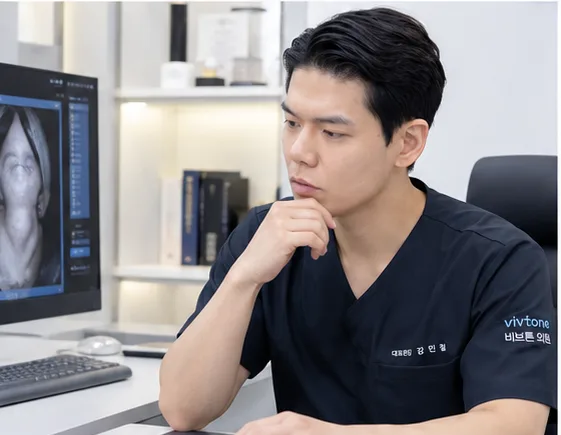
If you are getting Sofwave for the first time, think of it this way
If it is your first time getting Sofwave, rather than thinking about a package of multiple sessions from the beginning, Check how my skin changes after a single treatmentis easy to access.
If the decrease in skin elasticity is not significant, you can be satisfied with just one treatment, and you can consider additional treatments when maintenance is needed again over time.
Conversely, if the desired degree of improvement is not achieved even after one session, it is advisable to re-evaluate which aspects of your current skin are limiting the results before simply adding more sessions.
If you are curious about how Sofwave works, as well as the pain level and recovery process, you can find detailed information in our previous column.
→ Is Sofwave Right for My Skin?
Ultimately “It is difficult to answer the question, ”How many Softwave treatments do I need?" with a single number.
Sofwave allows you to expect changes even after a single procedure, but a certain amount of time is needed to determine whether the results are sufficient. Afterwards, depending on the degree of skin sagging, the state of elasticity, and the desired changes, the necessity and timing of additional procedures are determined.
Therefore, rather than setting a specific number of times from the beginning Getting one treatment done → checking the progress thoroughly → deciding the next timing based on your skin conditionThis is a more realistic approach.
The appropriate number of Sofwave treatments and intervals may vary depending on skin condition, the degree of sagging, the treatment area, and your goals. It is recommended that a specific treatment plan be determined after a consultation with a medical professional.